
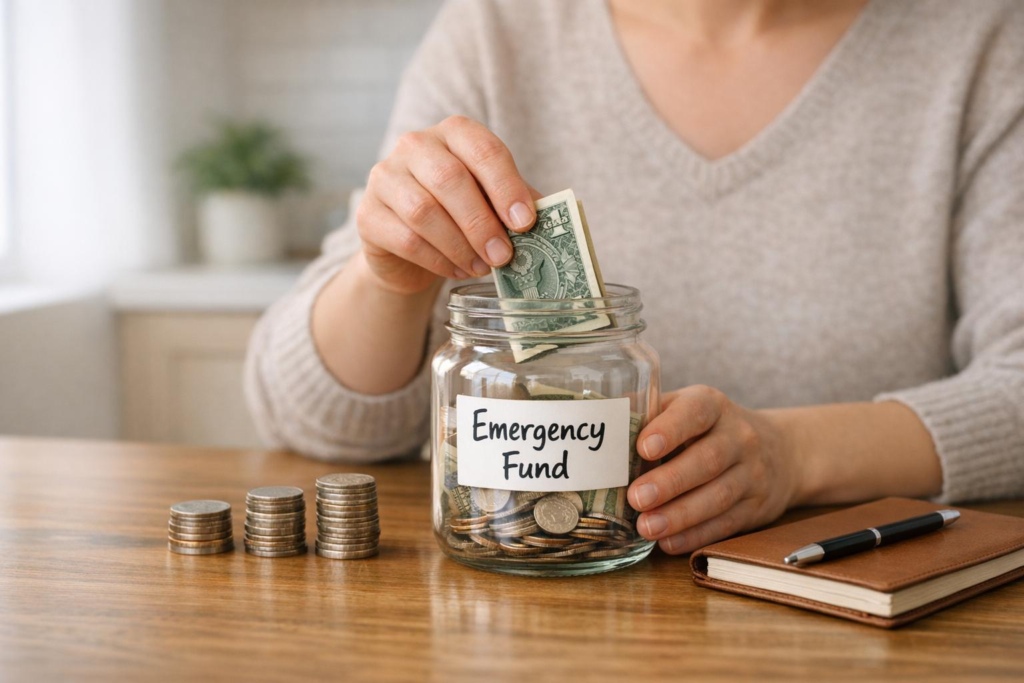
Life is unpredictable. No matter how carefully you plan your finances, unexpected expenses can appear at any time. A medical bill, car repair, home maintenance issue, or sudden job loss can quickly create financial pressure if you are not prepared.
This is where an emergency fund becomes essential. An emergency fund is money set aside specifically for unexpected situations. It acts as a financial safety net that protects you from debt, stress, and financial setbacks.
While many people focus on investing, paying off debt, or increasing income, building an emergency fund should be one of the first priorities in any financial plan. It provides stability and helps ensure that temporary challenges do not become long-term financial problems.
What Is an Emergency Fund?
An emergency fund is a dedicated savings account reserved for genuine emergencies and unexpected expenses.
Unlike money saved for vacations, shopping, or planned purchases, an emergency fund should only be used when an unforeseen financial need arises.
The purpose of this fund is simple: to provide immediate access to cash when life does not go according to plan.
Having money available during difficult situations allows you to solve problems without relying on credit cards, personal loans, or borrowing from friends and family.
Why Everyone Needs an Emergency Fund
Many people assume emergencies happen to others. Unfortunately, unexpected expenses are a normal part of life.
Cars break down. Appliances stop working. Medical expenses arise. Companies reduce staff. These events can affect anyone regardless of income level.
Without savings, even a relatively small expense can create financial hardship.
An emergency fund helps you absorb these financial shocks without disrupting your long-term goals. Instead of going into debt, you can use money that has already been set aside for situations exactly like these.
The Financial Benefits of Emergency Savings
One of the biggest advantages of an emergency fund is financial stability.
When you know you have money available for unexpected expenses, daily financial decisions become less stressful. You are no longer living paycheck to paycheck with constant worry about what might happen next.
Emergency savings also help prevent debt accumulation. Many people enter cycles of debt because they have no savings when unexpected expenses occur.
A single emergency can lead to credit card balances, high-interest loans, and months or even years of repayment. Having emergency savings helps avoid this situation entirely.
Another benefit is flexibility. Financial emergencies often require quick decisions. Access to cash allows you to respond immediately rather than scrambling to find money at the last minute.
How Much Should You Save?
The ideal emergency fund depends on your financial situation, income stability, and monthly expenses.
Many financial experts recommend saving enough to cover three to six months of essential living expenses.
For someone with monthly expenses of $1,000, this means an emergency fund between $3,000 and $6,000.
However, building a large emergency fund can take time. The most important step is simply getting started.
Even saving a few hundred dollars can provide meaningful protection against smaller emergencies while you continue building your fund.
The goal is progress, not perfection.
How to Start Building an Emergency Fund
Building an emergency fund may seem challenging at first, especially if your budget is already tight.
The good news is that you do not need a large amount of money to begin.
Start by setting a realistic monthly savings target. Consistency matters far more than the size of your initial contribution.
Automating transfers into a separate savings account can make the process easier. When savings happen automatically, you remove the temptation to spend the money elsewhere.
It is also helpful to treat emergency savings as a regular bill. Just as you pay rent, utilities, or internet expenses each month, make your emergency fund a fixed part of your budget.
Over time, these small contributions add up.
Common Mistakes to Avoid
One common mistake is using emergency savings for non-emergency purchases.
A discounted television, holiday shopping, or weekend getaway may feel important, but these are planned expenses rather than emergencies.
Using emergency funds for discretionary spending weakens your financial safety net and leaves you vulnerable when a real emergency occurs.
Another mistake is keeping emergency savings mixed with everyday spending money. Separate accounts can help reduce the temptation to dip into your savings unnecessarily.
Some people also delay saving because they feel they cannot contribute enough. Waiting for the perfect time often results in never starting at all.
Even small deposits create momentum and build valuable financial habits.
The Connection Between Emergency Funds and Financial Freedom
Financial freedom is often associated with wealth, investments, and passive income.
However, true financial freedom begins with financial security.
An emergency fund provides confidence and peace of mind because you know you can handle unexpected situations without financial panic.
This foundation makes it easier to pursue larger goals such as investing, buying a home, starting a business, or planning for retirement.
Without emergency savings, even well-designed financial plans can be disrupted by unexpected expenses.
For this reason, an emergency fund is often considered the first building block of long-term wealth.
Building Confidence Through Preparedness
Money is not only about numbers. It also affects emotions, decision-making, and overall quality of life.
People with emergency savings often feel more confident about their financial future because they know they are prepared for uncertainty.
This confidence can improve financial discipline, reduce stress, and encourage smarter money management decisions.
Preparedness allows you to focus on growth and opportunity rather than constantly worrying about potential setbacks.
Conclusion
An emergency fund is one of the most important tools for achieving financial security. It protects you from unexpected expenses, reduces dependence on debt, and provides peace of mind during uncertain times.
Building an emergency fund does not happen overnight, but every contribution moves you closer to greater financial stability.
The sooner you start, the sooner you create a financial cushion that can protect both your money and your future.
No matter your income level, establishing an emergency fund is one of the smartest financial decisions you can make.