
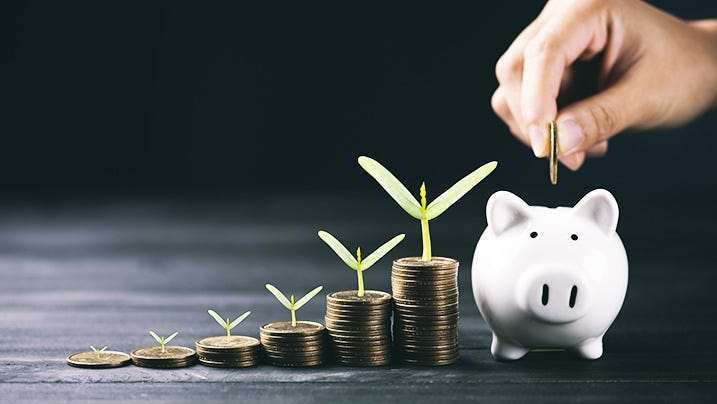
Many people believe that improving their financial situation requires major sacrifices or a significant increase in income. While earning more can certainly help, the reality is that long-term financial success is often built through small, consistent changes in everyday habits.
The difference between financial stress and financial stability is frequently found in the decisions people make daily. A few dollars saved here and there may seem insignificant, but when repeated over months and years, those small savings can grow into substantial amounts.
Understanding how minor adjustments affect your finances can help you build wealth, reduce debt, and achieve your financial goals faster. The key is not perfection but consistency.
Why Small Changes Matter
Most people underestimate the power of incremental improvement. They focus on large financial goals such as buying a house, paying off debt, or building a retirement fund, while overlooking the small habits that influence those outcomes.
Financial growth works much like physical fitness. Just as exercising for one day will not transform your health, saving money for one week will not transform your finances. However, consistent positive actions over time create remarkable results.
Small financial changes are easier to maintain because they do not drastically affect your lifestyle. This makes them more sustainable and effective in the long run.
The Hidden Cost of Everyday Spending
Many expenses seem harmless when viewed individually. A daily coffee, frequent food delivery, or impulse online purchase may not appear expensive at the moment.
However, when these habits are repeated regularly, they can consume a surprising portion of your income.
For example, spending just $10 per day on non-essential purchases adds up to more than $3,600 per year. Over five years, that amount exceeds $18,000 without considering potential investment growth.
This does not mean you should eliminate all enjoyable spending. Instead, it highlights the importance of making intentional decisions about where your money goes.
Creating Better Financial Habits
Financial success is often the result of habits rather than income level alone.
One of the simplest ways to improve your finances is to track your spending. Many people are surprised when they discover how much money disappears through small purchases they barely remember making.
Tracking expenses helps identify spending patterns and reveals opportunities to redirect money toward savings and financial goals.
Another effective habit is setting aside money immediately after receiving income. By saving first and spending second, you prioritize your future financial security rather than relying on leftover money at the end of the month.
The Power of Consistent Saving
Consistency is one of the most important factors in building wealth.
Many individuals delay saving because they feel they cannot afford large contributions. However, small amounts saved regularly can accumulate faster than expected.
Someone who saves $100 per month will accumulate $1,200 in one year. Over five years, that grows to $6,000 before considering any interest or investment returns.
The habit of saving is often more valuable than the amount initially saved. Once the behavior becomes automatic, increasing contributions becomes much easier.
Reducing Financial Stress
Financial stress affects millions of people worldwide. Unexpected expenses, debt obligations, and uncertain income can create significant anxiety.
Building savings gradually provides a sense of security that helps reduce these concerns.
Knowing you have money available for emergencies allows you to approach financial challenges with greater confidence. Instead of relying on credit cards or loans, you can use your savings to handle unexpected situations.
This financial cushion often provides emotional benefits that extend beyond money itself.
Avoiding Lifestyle Inflation
One of the biggest obstacles to long-term financial success is lifestyle inflation.
Lifestyle inflation occurs when spending increases every time income increases. Instead of saving additional earnings, people often upgrade their lifestyle by purchasing more expensive products and services.
While enjoying the rewards of hard work is important, allocating a portion of every income increase toward savings can dramatically improve your financial future.
Even saving half of each raise or bonus can accelerate wealth building without significantly affecting your current lifestyle.
Building Wealth Through Patience
Many people look for quick financial solutions. They search for shortcuts, investment secrets, or methods to become wealthy rapidly.
In reality, sustainable wealth is usually built through patience, discipline, and consistency.
The most financially successful individuals often focus on simple principles. They spend less than they earn, save consistently, avoid unnecessary debt, and allow time to work in their favor.
Small financial improvements may not seem exciting, but they are often the most reliable path to long-term success.
The Role of Financial Goals
Goals provide direction and motivation.
Without a clear purpose, saving money can feel difficult because there is no immediate reward. However, when you connect your savings to meaningful goals, the process becomes more motivating.
Whether your goal is purchasing a home, starting a business, traveling, or achieving financial independence, having a target helps maintain focus during the saving journey.
Clear goals transform saving from a restriction into a tool for creating the future you want.
Long-Term Benefits of Smart Financial Decisions
The benefits of small financial improvements extend far beyond your bank account.
Over time, these habits can help you build emergency savings, reduce debt, increase investment opportunities, and create greater financial freedom.
More importantly, they provide flexibility and control over your life choices.
Financial stability allows you to make decisions based on opportunity and personal goals rather than financial pressure. This freedom is one of the greatest rewards of responsible money management.
Conclusion
Big financial achievements rarely happen overnight. More often, they are the result of small, consistent actions repeated over time.
By making smarter spending decisions, saving regularly, avoiding lifestyle inflation, and staying focused on your goals, you can create meaningful financial progress without making drastic changes to your lifestyle.
The journey toward financial security begins with simple choices. Start with one positive financial change today, remain consistent, and allow time to work in your favor. The results may be far greater than you imagine.